IdvlCall (512) 933-6763

Countertop Installation in Round Rock, TX

New Countertops for Round Rock Kitchens

Granite, quartz, and marble surfaces fabricated to fit, templated on site, and installed clean. Free in-home estimates across Round Rock and nearby Cedar Park, Georgetown, and Pflugerville.

Countertop installation in Round Rock, TX

Surface Guide

A running guide to granite, quartz, and marble so you can weigh looks, durability, and upkeep before choosing a surface.

Quartz and granite countertop slabs in a fabrication yard

What Countertops Round Rock Companies Install Most Often

After enough kitchens in this area you stop being surprised by what people pick. The countertops Round Rock companies install most often come down to a short list, and that list has shifted noticeably over the last five years. Here is what actually goes into homes here, in what proportion, and the reasoning behind each choice.

This is not a ranking of what is best. It is a description of what people are actually choosing once they have seen the samples, heard the maintenance requirements, and looked at the number at the bottom of the quote.

Quartz Took Over the Remodel Side

If you walked ten remodels in this area right now, six or seven would have quartz going in. That was not true a decade ago, and the reason is not fashion. It is the sealing conversation.

Once a homeowner hears that natural stone wants resealing once or twice a year, and that skipping it can mean an oil stain near the cooktop, a lot of them stop there. Quartz is non-porous, so that entire maintenance category disappears. For a household already juggling enough, that is worth more than a unique slab.

The second driver is consistency. Because the pattern is manufactured, a long run or a big island reads as one continuous surface with no surprise dark patch in the middle. People approving a kitchen from a sample want the finished counter to look like the sample.

Granite Still Wins in Two Specific Situations

Granite has lost share overall, but it is not going anywhere, and it dominates in two cases.

The first is the household that genuinely cooks. Granite takes a pan straight off the burner without flinching, and nothing else on the list does. Once someone has scorched a quartz counter, they do not choose quartz again.

The second is budget. Entry level granite is frequently cheaper per square foot than mid range quartz, and it is still natural stone. For a rental, a flip, or a kitchen that needs to look good without a premium spend, it remains the value pick. Our granite countertops page goes deeper on what separates one slab from another.

Where Marble Actually Ends Up

Very little marble goes into working kitchens here, and the people installing it usually know exactly what they are signing up for. Where it does show up is bathrooms, powder rooms, and the occasional island that functions more as furniture than prep space.

That is the right instinct. Marble etches when acid sits on it, and a kitchen is full of lemon, wine, and vinegar. A vanity is not. The homeowners who put marble in a primary bath are almost never the ones who call later with regret.

The Colors That Are Actually Moving

Color trends run slower than the internet suggests, but there has been real movement:

  • White and light grey quartz with soft veining is still the volume leader, and has been for years. It photographs well and it brightens the darker kitchens in older homes.
  • Warm tones are genuinely returning. Creams, soft beiges, and stones with warm brown movement are being chosen again after a long stretch of cool grey.
  • Solid black and very dark polished counters have faded. They show every water spot, and with hard water in this area that is a daily annoyance rather than an occasional one.
  • Heavy, dramatic veining gets picked for islands far more than for perimeter runs. People want one statement surface, not four.

Finish Matters More Than People Expect

Most counters going in are polished, but honed and leathered finishes have grown, and for practical reasons rather than looks.

A polished surface is the most reflective and the easiest to wipe, but it shows water spotting and fingerprints most clearly. Honed is matte, hides spotting well, and is more forgiving on marble because it disguises etching. Leathered sits in between with a slight texture, and it is the quiet favorite for darker granites because it hides everything a polished black counter would broadcast.

If you are choosing a dark stone in this area, ask to see it leathered before you commit to polished.

Edge Profiles People Actually Choose

Showrooms display a dozen edge profiles. Two of them account for most installs.

EdgeHow often chosenNotes
Eased or squareMost installsClean, modern, cheapest to fabricate
BullnoseCommon with kids in the houseSofter, no sharp corner at hip height
Ogee and decorativeOccasionalPriced per linear foot, collects crumbs
Mitred or waterfallIslands onlyDramatic, meaningfully more expensive

The pattern is that people spend their money on the slab and stay simple on the edge, which is usually the right allocation.

Newer Builds Versus Older Homes

The split around here is fairly clean. Newer construction generally arrives with builder grade granite already installed, so those projects are straight swaps when the owner wants an upgrade: cabinets stay, tops change, and the job moves quickly.

Older homes are a different conversation. Original tile counters on a mud bed are still out there, and replacing them is a heavier job that can take the backsplash with it. Those kitchens more often turn into a wider remodel once the counters come off, and homeowners are usually happier if they plan for that possibility up front rather than discovering it on demo day.

Sinks and Backsplashes Follow the Counter

Undermount sinks now come with the majority of stone installs, because a stone counter makes the undermount detail possible and wiping crumbs straight into the basin is genuinely better. Drop-in sinks persist mostly in budget jobs and rentals.

Backsplash choices split by material. Quartz kitchens frequently get a matching full height slab behind the range, which looks seamless and eliminates grout. Granite kitchens more often pair with tile, because a busy granite plus a busy full slab splash is a lot of movement in one room.

Lead Times Differ by Material

Availability affects what gets installed more than most people realize:

  1. Common quartz colors are usually in stock and template to install runs about two weeks.
  2. Popular granites are similar, assuming the yard has your slab.
  3. Unusual or imported stone can add weeks, and if only one slab is left, an accident during fabrication means starting the selection over.

When a project has a hard deadline, a kitchen that has to be done before family arrives for the holidays, the material list quietly narrows to what is physically in a local yard.

Thickness Is the Choice People Forget to Make

Slabs come in two common thicknesses, 2cm and 3cm, and most homeowners never get asked which they are getting. It matters more than the question’s absence suggests.

3cm is the heavier option and it goes down directly on the cabinets without additional support in most layouts. It reads more substantial at the edge, and it is what the majority of stone installs in this area use.

2cm is lighter and cheaper, but it usually needs plywood underneath for support, and overhangs need brackets. Fabricators sometimes laminate a strip along the front edge to make a 2cm slab look like 3cm from the side, which is a legitimate technique but should be disclosed rather than discovered.

If a quote is noticeably lower than the others, thickness is one of the first places to look. Ask which you are being quoted, and if it is 2cm, ask what the substrate and overhang support plan is.

What Actually Fails Within Two Years

The failures we get called about are boringly consistent, and none of them are the stone giving up:

  • Scorch marks on quartz, from a pan set down in a hurry. Permanent, and it does not sand out.
  • Oil stains near the cooktop on unsealed granite, from skipping the resealing.
  • Chips at the sink cutout and the dishwasher corner, the two highest traffic edges in any kitchen.
  • Dull rings on marble, from acidic cleaners rather than from the food itself.

Every one of those is a habit or a maintenance issue rather than a material defect, which is worth knowing before you pick based on durability claims.

Common Questions

Is quartz always more expensive than granite? No. Entry level granite usually undercuts mid range quartz, while premium quartz brands can cost more than most granite. The ranges overlap heavily, so compare actual slabs rather than categories.

Does the counter choice affect resale here? Only at the margins. Buyers read granite and quartz as equivalent upgrades over laminate or tile. Nobody is walking away from a house over which of the two is installed.

Can I match a counter to what a neighbor has? With quartz, yes, if the line is still produced. With granite, never exactly. Every slab is different, which is either the appeal or the frustration depending on your temperament.

See the Slabs Before You Decide

Every pattern above is a generalization, and your kitchen is not a generalization. Cabinet color, floor tone, and how much natural light the room gets change how a slab reads once it is installed.

The most useful next step is a free in-home measure where we bring samples, look at them against your actual cabinets, and give you a real number. When you are ready, contact us and we will set it up.

Trying to narrow down countertops for a Round Rock kitchen? Call Idvl at (512) 933-6763 and we will walk the options with you.

Read the full article
Kitchen countertop being measured for a replacement quote

Why Countertop Quotes in Round Rock Vary So Much

Three fabricators can walk the same Round Rock kitchen, measure the same counters, and come back with numbers that sit two thousand dollars apart. That does not mean two of them are trying to take advantage of you. It usually means they are quoting different things, and nothing in the paperwork makes that obvious.

Here is what actually moves the price, and how to line three quotes up so you are comparing the same job instead of three different ones.

Square Footage Is Not Measured the Same Way

The first place quotes diverge is the most basic one. Some shops bill the raw slab area they have to purchase, others bill the finished counter area they install. Stone is sold by the slab, and the offcuts around a sink or a corner are waste the shop still paid for.

On a kitchen with an island, that difference can be forty square feet on paper for identical work. Ask each company one question: is this number based on slab yield or finished square footage? Once you know which, the quotes start lining up.

Ask for three quotes from countertops Round Rock companies on the same kitchen and you will get three different numbers, sometimes thousands apart. The spread is almost always explained by the items below rather than by the quality of the work.

The Line Items That Quietly Move the Price

Material is the headline, but the labor list is where quotes separate:

  • Sink cutouts. An undermount sink needs a polished, radiused cutout. A drop-in does not. That is a real difference in shop time.
  • Cooktop cutouts. Same idea, plus tighter tolerances if the unit sits flush.
  • Faucet and soap dispenser holes. Usually cheap, occasionally billed each.
  • Edge profile. A square or eased edge is standard. Ogee, dupont, and mitred edges are priced per linear foot and add up fast on a long run.
  • Backsplash. A four inch stone splash is priced separately from the counter, and a full height splash is a different job again.

A quote that folds all of this into one number is not necessarily hiding anything, but you cannot compare it to an itemized one until you ask for the breakdown.

Slab Grade Is a Marketing Term

Level 1, level 2, and level 3 are not an industry standard. Each supplier sets its own tiers, so a level 2 at one yard can be a level 1 down the road. The tier tells you about rarity and appearance, not durability.

The practical move is to ignore the tier and go look at actual slabs. Two granites at the same price can look nothing alike, and the one you prefer might be the cheaper of the two. If you want the detail on what separates one stone from another, our granite countertops page covers it.

Demolition, Disposal, and Plumbing

Ripping out the old counters is labor, and hauling them off costs money at the transfer station. Some quotes include both, some assume you are handling it, and a few charge for disposal as a separate line.

Plumbing is the other common gap. Disconnecting and reconnecting a sink, a disposal, and a dishwasher is often subcontracted, and whether that sits inside the quote or outside it can swing the total by a few hundred dollars. Ask directly, because discovering it on install day is how a project goes over budget.

Seams Are Where a Cheap Quote Hides

Slabs run roughly nine to ten feet. Any counter longer than that needs a seam, and where that seam lands is a craftsmanship decision, not a coin flip. A careful shop places it at a sink, books the pattern so the veining continues, and colors the epoxy to the stone.

A cheaper quote sometimes means an extra seam in a visible run, or a seam dropped wherever the offcut happened to fall. Ask to see a seam diagram before you sign. Any fabricator who templates properly can produce one.

What to Compare, Line by Line

Line itemAsk thisWhy it matters
Square footageSlab yield or finished area?The single biggest source of quote spread
CutoutsIncluded or per unit?Undermount sinks cost more shop time
Edge profileWhich profile, priced how?Decorative edges are per linear foot
Demo and disposalIn the number or extra?Commonly excluded, rarely mentioned
Plumbing reconnectIncluded or your problem?Often subcontracted and billed apart
Seam planWhere do seams fall?Placement is a quality signal
Template lead timeDays from template to install?Tells you how busy the shop really is

Print that, take it to all three meetings, and you will end up with quotes that are genuinely comparable.

How Long the Job Actually Takes

A typical replacement runs about two to three weeks from signing to finished counters, and most of that is waiting rather than working:

  1. Template, once cabinets are set and the sink is on site. Roughly an hour in your kitchen.
  2. Fabrication, usually seven to ten business days. This is the part nobody can rush.
  3. Install, most kitchens in a single day.
  4. Plumbing reconnect, same day or the next, depending on who is doing it.

Anyone promising a three day turnaround on a full kitchen is either sitting on unusual capacity or cutting a corner somewhere in fabrication.

Questions Worth Asking Before You Sign

  • Who templates, an employee or a subcontractor?
  • Is the crew installing my counters the same crew that fabricated them?
  • What happens if a slab cracks during install, and who absorbs it?
  • Is there a warranty on the seams and the installation, separate from the stone?
  • Can I see the actual slab before it is cut?

The answers matter less than the willingness to answer. A shop that gets vague about warranty or subcontracting is telling you something.

Two Things Specific to Kitchens Around Here

Older neighborhoods off Chisholm Trail and around downtown often still have original tile counters set on a mud bed. That is a heavier demo than pulling laminate, it can take the backsplash and part of the drywall with it, and a quote written from photos rarely accounts for it. If your counters are tile, say so early and ask whether demo pricing assumes laminate.

The newer builds out toward Forest Creek and Teravista have the opposite situation. Cabinets are usually in good shape and square, the existing tops are builder grade granite, and the job becomes a straight swap. Those projects template faster and install cleaner, and the quote should reflect that.

Worth knowing too: most slab yards serving this area sit south toward Austin. Picking your own slab usually means a short drive rather than choosing from samples in a showroom, and it is worth the trip. A photo of a slab tells you very little about how the veining runs across ten feet of counter.

Questions People Ask Us About Quotes

Is the cheapest quote usually a bad sign? Not by itself. It is a signal to check what is excluded. Once you add demo, disposal, and plumbing back into a low quote, it often lands in the same range as the others, which means the shop simply itemized differently.

Should I expect to pay a deposit? Yes, generally somewhere around half at template, with the balance at completion. A shop asking for the full amount up front before anything is measured is unusual and worth questioning.

Does a quote expire? Most hold for about thirty days, because slab availability moves. If you are still deciding after a month, ask for the number to be re-confirmed rather than assuming it stands.

Comparing Three Quotes Fairly

Line the three up on the same sheet and normalize them before you judge. Convert everything to finished square footage, add any excluded demo, disposal, and plumbing into the totals, and only then compare. It is common for the quote that looked highest to finish middle, and for the cheapest to end up costing the most once the exclusions are added back.

Price should not be the only input anyway. Lead time, seam planning, and whether the shop will let you pick your own slab are worth real money in a kitchen you will look at every day for a decade.

Get It Measured Properly

No quote means much until someone has measured your actual kitchen. Cabinet runs are rarely square, older homes in this area often have walls that wander, and a number produced from a floor plan is a guess.

The best next step is a free in-home measure where we walk the layout, talk through materials and edges, and put a real number on it. When you are ready, contact us and we will come out.

Comparing countertop quotes for your Round Rock kitchen? Call Idvl at (512) 933-6763 and we will give you an itemized number you can hold the others against.

Read the full article
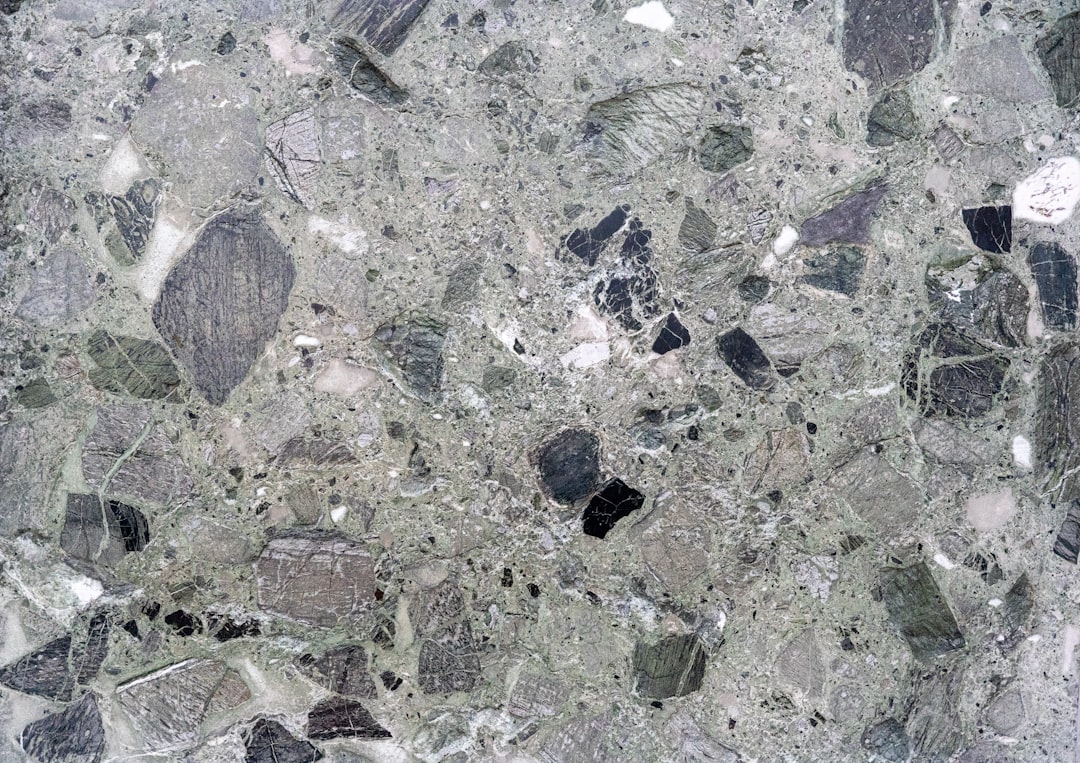
Granite, quartz, and marble countertop samples

Granite vs. Quartz vs. Marble: Choosing a Surface in Round Rock

Standing in a showroom staring at slabs of granite, quartz, and marble is where most countertop projects stall. They all look great under those lights, so the real question is not which one is prettiest, it is how each one lives in a working kitchen five years from now. Here is how we help Round Rock homeowners think it through before they commit a dollar.

Start With How You Cook

The biggest factor is not the color, it is your habits. If you set hot pans down without thinking and want zero upkeep, that points one direction. If you bake constantly and love a bright, classic look, it points another. A family kitchen off Gattis School Road that runs hard every night has different needs than a quiet guest bath in Vista Oaks.

Be honest about the mess, too. Red wine, coffee, lemon juice, and turmeric ruin more counters around here than anything else. A surface that shrugs those off is worth more to a busy household than a rare vein pattern nobody notices after the first month.

If you would rather see finished installs before deciding, look at what countertops Round Rock companies put in most often. It is these same three materials, in roughly this order.

Granite for Character and Heat

Granite is natural stone, so every slab is unique, and it handles heat better than almost anything else you can put in a kitchen. Set a pan straight off the burner on it and nothing happens. That single property is why it still wins in households that cook seriously.

It is porous, so it needs sealing. In practice that means a fifteen minute job once or twice a year, and a simple water test tells you when it is due: drip a little water on the surface, and if it darkens within half an hour, it is time to reseal. Skip that and oil stains can set in around the cooktop.

The trade is consistency. Because it is quarried stone, the slab you approve is the slab you get, and veining can shift dramatically from one end to the other. Always pick your actual slab at the yard rather than approving a four inch sample. If you want a counter with real movement and one of a kind veining, our granite countertops page walks through the details.

Quartz for Low Maintenance

Engineered quartz is roughly ninety percent ground stone bound with resin, which makes it non-porous. It never needs sealing, it resists stains, and it shrugs off the acids that etch natural stone. For a household that wants to wipe the counter and walk away, it is the easiest of the three to live with.

The pattern is manufactured, so long runs match cleanly and a big island reads as one continuous surface. Modern quartz does a convincing job of imitating marble veining without the fragility that comes with real marble, which is why so many remodels in this area land here.

Its weakness is heat. Resin scorches, and a pan straight from a 450 degree oven can leave a permanent mark. Trivets are not optional with quartz. Direct sun matters too: some older quartz products can yellow over years in a bright south facing breakfast nook, so ask about UV stability if your kitchen takes hard afternoon light.

Marble for Timeless Looks

Marble is the one people fall in love with and then worry about. It is softer than granite and it etches, meaning acids like lemon, wine, and vinegar dull the polish where they sit. That is not a stain, it is a physical change to the surface, and it cannot be wiped away.

The move is to stop fighting it. A honed finish hides etching far better than a polished one, and a good impregnating sealer buys you time to catch spills. Plenty of homeowners simply accept the patina, the same way a butcher block earns its marks.

Where marble genuinely shines is anywhere the wear is lighter: a guest bath vanity, a dedicated baking station (it stays naturally cool, which is why pastry chefs use it), or an island that is more showpiece than prep space. Putting it behind a busy cooktop is where regret usually starts.

What Each One Costs Around Round Rock

Installed pricing moves with slab availability and how complicated the layout is, but these ranges hold for most kitchens in the area:

SurfaceTypical installed rangeSealingHeat tolerance
Granite$40 to $70 per square footOnce or twice a yearExcellent
Quartz$55 to $100 per square footNeverPoor, use trivets
Marble$70 to $150 per square footTwice a year or moreGood

Three things move those numbers more than the material itself: the number of cutouts (each sink, cooktop, and outlet adds labor), the edge profile you choose, and whether your layout needs a seam in a visible place. A galley kitchen with one sink is straightforward. An L shaped run with a waterfall island is a different job entirely.

Hard Water Is the Local Variable

Central Texas water is hard, and that shows up on countertops faster than most people expect. On dark polished granite, mineral spots appear within days around the faucet. On marble, those same minerals combine with acidic cleaners to leave a dull ring.

None of this changes which material is best, but it does change the care routine. A squeegee or a dry cloth at the sink after dishes solves most of it. If you are already fighting scale on your fixtures, factor that in before choosing a high gloss dark finish, because it will show every drop.

Seams, Edges, and Slab Size

Slabs run roughly nine to ten feet, so any counter run longer than that needs a seam. A good fabricator puts the seam where it is least visible and books the pattern across it so the veining continues. Ask to see where seams will fall before you sign, not after templating.

Edge profile is mostly aesthetic, but it carries practical weight. A simple eased or square edge is cheapest and reads modern. Bullnose is softer and more forgiving with kids around. Ogee and other decorative profiles cost more per linear foot and collect crumbs. Match the edge to the room rather than to the price list.

Care Over Ten Years

If you plan to be in the house a decade, think about the long arc:

  • Granite looks the same in year ten as year one, provided you keep up with sealing. It can be re-polished if it ever dulls.
  • Quartz is the most stable of the three. The realistic failure is a scorch mark or a chipped edge near the dishwasher, and neither one repairs invisibly.
  • Marble will not look new in year ten. It will look lived in, which is either the appeal or the dealbreaker.

Resale is close to a wash. Buyers in this market read all three as an upgrade over laminate or tile, and no agent is going to talk down a house because the counters are quartz instead of granite.

Matching Material to Room

  • Full kitchen, heavy cooking: granite or quartz. Granite if you want heat tolerance and natural character, quartz if you want to stop thinking about it.
  • Island as centerpiece: quartz for a flawless long run, marble if the island is more for gathering than prep.
  • Guest or primary bath: marble earns its place here, with light use and no cooktop nearby.
  • Rental or flip: quartz, every time. It survives tenants who will never seal anything.

Questions We Get Every Week

Can you put a hot pan on quartz if you are quick about it? Sometimes you get away with it and sometimes you do not, and there is no way to tell in advance. The scorch is permanent and it does not sand out, so treat trivets as part of the counter rather than an optional accessory.

Does granite need sealing every year, or is that a sales line? It depends entirely on the slab. Dense dark granites can go two or three years, while lighter porous ones want it annually. Run the water test twice a year and let the stone tell you instead of guessing.

Is marble really a bad idea with kids in the house? Not automatically. It is a bad idea directly behind a cooktop or beside a juice station. A honed marble vanity in a bathroom the kids barely touch will look fine for years, so place it thoughtfully rather than ruling it out.

Can you mix materials in one kitchen? Yes, and it often solves the whole problem. Quartz on the hardworking perimeter with a marble island, or granite on the perimeter with a butcher block prep section, gets you the look without putting the fragile surface where the abuse happens.

Get a Real Measure First

Samples in your own kitchen, under your own light, beat any showroom. Cabinet color, floor tone, and the direction your windows face all shift how a slab reads, and a piece that looked warm at the yard can go grey against your cabinets. Take three candidates home and look at them at breakfast and again at night.

The best next move is a free in-home measure where we compare all three surfaces against your cabinets, your layout, and your budget. When you are ready, contact us and we will bring samples out.

Weighing granite, quartz, and marble for your Round Rock kitchen? Call Idvl at (512) 933-6763 for a free in-home estimate.

Read the full article

Granite, Quartz, or Marble: Picking a Surface That Fits Your Kitchen

Each surface has a personality. Here is what Round Rock homeowners weigh when they compare the popular materials, plus the parts of the job we handle for every one of them.

Granite Countertops

Natural stone with unique veining and real heat resistance. Sealed properly, a granite top off Sam Bass Road holds up to daily cooking for years and no two slabs look alike.

Quartz Countertops

Engineered quartz is non-porous, so it never needs sealing and shrugs off stains and scratches. It comes in consistent colors and marble-look patterns that match long counter runs cleanly.

Marble Countertops

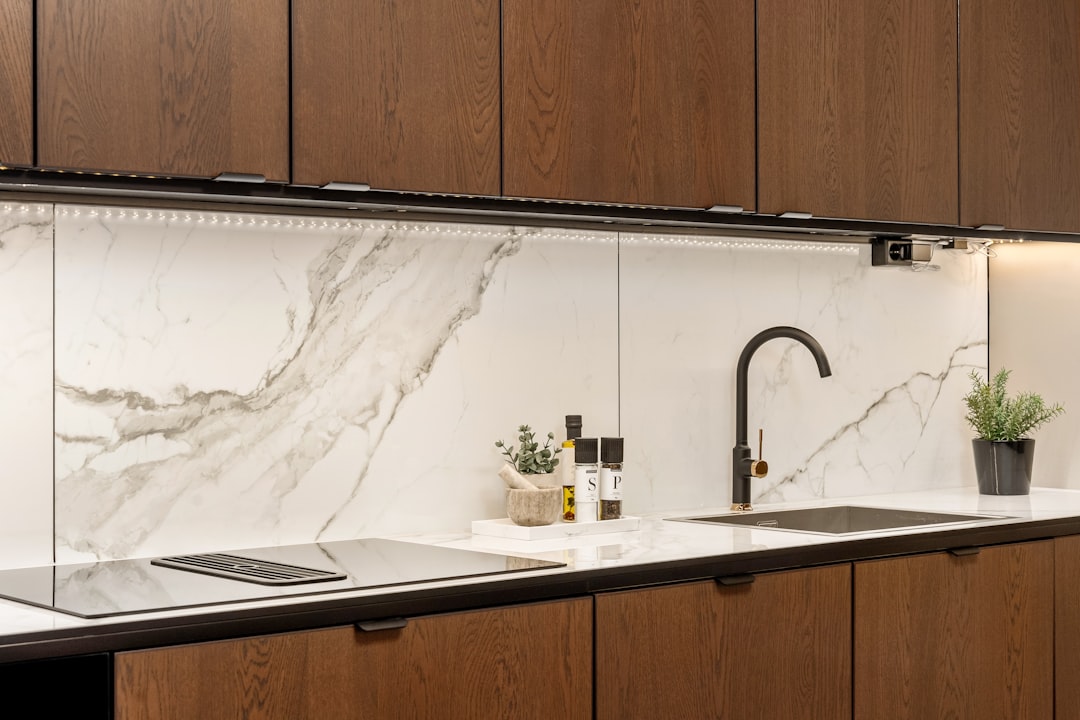
Timeless, bright, and soft to the eye, marble suits baths, islands, and baking stations. We honed and sealed it to keep etching at bay and set clear expectations on care.

Quartzite and Solid Surface

Quartzite brings marble looks with harder natural stone durability, while seamless solid surface offers integrated sinks and easy repairs for a softer, uniform finish.

Sinks, Edges, and Backsplashes

Undermount and drop-in sink cutouts, edge profiles from a simple eased edge to a bullnose or ogee, and standard or full-height backsplashes cut to match your slab.

Islands, Waterfalls, and Baths

Kitchen islands, breakfast bars, waterfall ends, and bathroom vanities, measured and fabricated so seams land where they should and overhangs stay supported.

Idvl provides countertops installation in Round Rock, TX, working with engineered quartz, granite, marble, quartzite, solid surface, butcher block, and laminate under one roof. Every slab is templated on site, cut for undermount or drop-in sinks, finished with the edge profile you choose, and paired with a matching backsplash when you want one. Kitchens out in Teravista and homes off Gattis School Road get the same careful fit, whether the cabinets went in last year or two decades ago.

Picking a surface is really a question of how you cook and how much upkeep you want to sign up for. Granite is natural stone with one-of-a-kind veining, quartz is an engineered surface that never needs sealing, and marble brings a soft, classic look that rewards a little care. We walk you through how each of these wears over the years before you commit a dollar, because the right choice for a busy family kitchen off Red Bud Lane is not always the right choice for a quiet bath remodel in Behrens Ranch.

The process stays simple and predictable. We come out to measure, help you compare materials, edges, and finishes side by side, then hand you a clear written estimate before any work starts. Once you approve it, we fabricate the slab and return to install, usually with only a short gap between the template appointment and the finished counter. Most single-kitchen installs across the 78664 area wrap up in a day once the material is ready.

A new counter changes the whole feel of a room, and it is one of the first upgrades buyers in the Round Rock market notice. Because that matters, Idvl backs every install with a workmanship guarantee: if a seam, an edge, or a fitment issue traces back to our work, we come back and make it right. We template carefully, seal natural stone the way it should be sealed, and finish each edge so the job looks like it was always part of the house.

  1. One crew, every surfaceGranite, quartz, marble, quartzite, solid surface, and butcher block, all fabricated and installed by the same local team.
  2. Honest written quotesWe compare materials and edges with you, then put a firm price in writing before any work begins.
  3. Workmanship guaranteedIf a seam or edge issue traces back to our install, we return and correct it at no charge.
  4. Clean, careful installsWe protect your cabinets and floors, haul away the old tops, and leave the kitchen ready to use.

What You Should Budget for Each Surface

Countertop pricing comes down mostly to the material and the size of your kitchen. Granite and quartz sit in the popular middle, marble and quartzite run higher, and edge upgrades, sink cutouts, and backsplashes add to the total. The per-square-foot ranges below are typical for the Round Rock area, and we put the firm number in writing after a free in-home measure. A standard 40-square-foot kitchen lands within these bands once the slab and edges are chosen.

Granite$50 to $100 per sq ft installed
  • Natural stone, unique veining
  • Sealed for lasting protection
Get estimate
Marble or Quartzite$90 to $175 per sq ft installed
  • Premium natural stone
  • Honed or polished finish
Get estimate

Round Rock Areas Where We Install

We install countertops throughout Round Rock and the surrounding Williamson County communities, from the newer neighborhoods to the nearby towns just up and down I-35.

  • Round Rock, TX (78664, 78665, 78681)
  • Cedar Park, TX
  • Georgetown, TX
  • Pflugerville, TX
  • Hutto, TX
  • Leander, TX
  • Austin, TX

Not sure if we reach your neighborhood? Call (512) 933-6763 and we will let you know.

Material Questions Homeowners Weigh

Granite or quartz: which should I pick?
Quartz is non-porous, never needs sealing, and resists stains and scratches, so it is the lower-maintenance option. Granite is natural stone with one-of-a-kind veining and stronger heat resistance, but it needs occasional sealing. We help you weigh both for how you actually cook.
Is marble too delicate for a kitchen?
Marble is softer than granite or quartz and can etch from acids like lemon or wine. In a working kitchen we usually recommend a honed finish and a good sealer, and it shines in baths, islands, and baking stations where care is easier.
How much do new countertops cost in Round Rock?
It depends on the material and square footage. Granite and quartz sit in the middle, marble and quartzite run higher, and edges, cutouts, and backsplashes add to it. We give a firm written estimate after a free in-home measure.
What is quartzite, and how is it different from quartz?
Quartzite is a natural stone quarried from the ground, prized for marble-like looks with harder durability. Engineered quartz is manufactured from ground quartz and resin. They sound alike but wear and price out differently, so we show samples of each.
How long does a countertop project take?
We template first, then return to install a short time later once the slab is fabricated. The install itself is usually finished in a day, so most Round Rock kitchens are back in service quickly.
Do you handle the sink, edges, and backsplash?
Yes. We cut for undermount or drop-in sinks, finish the edge profile you choose from an eased edge to a bullnose or ogee, and install matching standard or full-height backsplashes as part of the job.
Do you remove the old countertops?
Yes. We remove and haul away your old tops as part of the install, and we protect your cabinets and floors while we work so the kitchen is ready to use when we leave.
What does your workmanship guarantee cover?
If a seam, edge, or fitment issue traces back to our installation, we come back and correct it at no charge. We stand behind the fit and finish of every counter we set across the 78681 area and beyond.

Book a Free Surface Consultation

Ready to compare granite, quartz, and marble in your own kitchen? We will measure your space, walk you through materials, edges, and finishes with real samples, and give you a clear written estimate with no pressure. Most Round Rock installs are quick once the slab is ready, and we handle everything from tearing out the old tops to the final polished seam.

Call (512) 933-6763